05Service
Technical Diagnostics and Leak Detection
Diagnosis of mechanical faults, pressure drops, pipe blockages, and structural leaks.
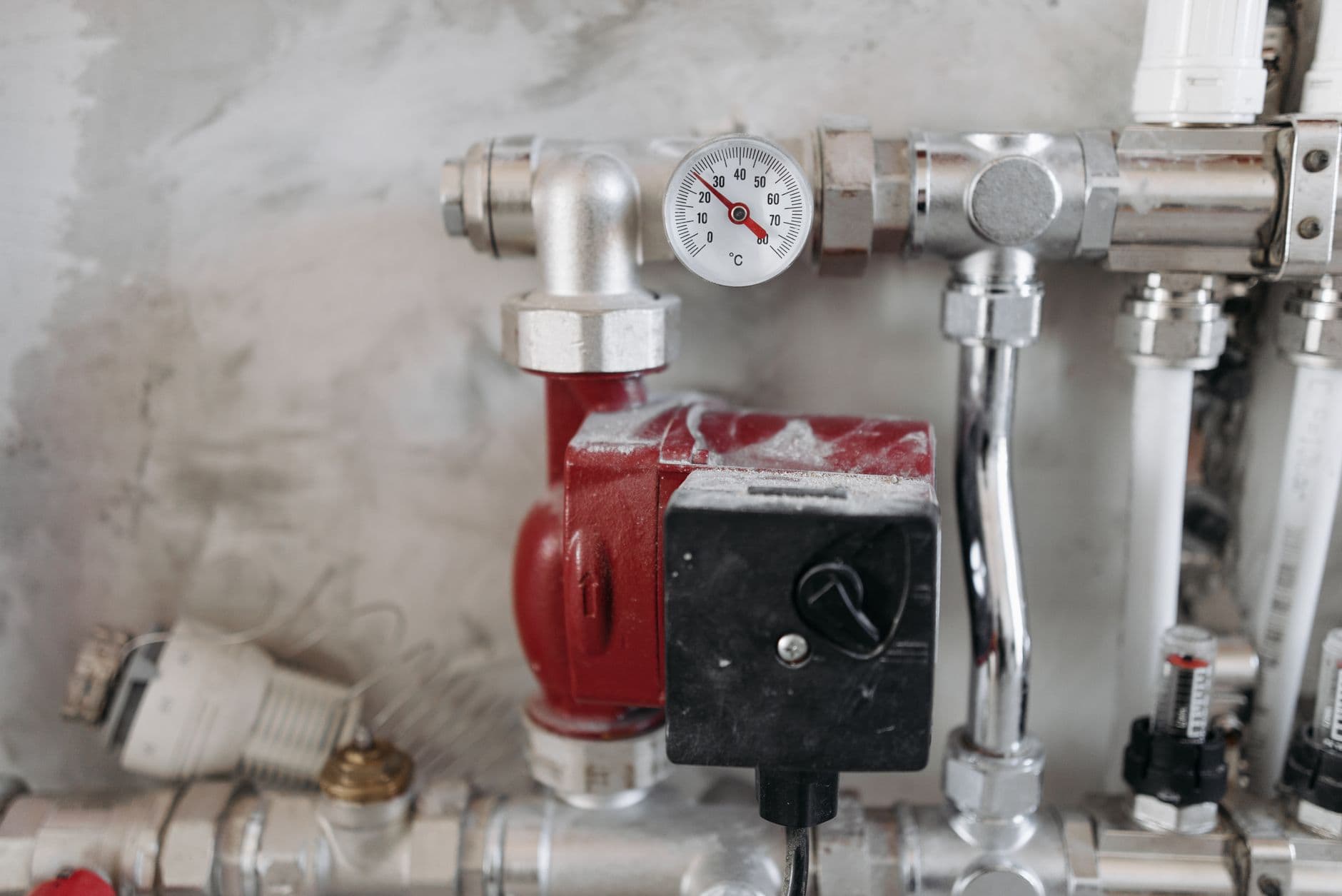
—Background
How a pool fault or leak is narrowed down
Diagnostics means establishing what is wrong before anything is opened up or replaced. For a leak, the first question is whether the pool is losing more than evaporation would explain. The next is whether the water is escaping through the structure, a fitting or the pipework — usually narrowed down by watching how the loss changes with the pump running and with it off.
Mechanical faults are approached the same way. Pressure at the filter, the sound of the pump, air in the returns and how the system behaves over a day all point towards a blockage, an air leak on the suction side or a failing component, and those clues are checked before a part is changed.
Every outdoor pool loses some water to evaporation, and in Dubai’s summer that loss is considerable. A simple bucket test beside the pool separates evaporation from a real leak before anything else is done.
01Covers
What the work includes
Mechanical faults
Pressure drops
Pipe blockages
Structural leaks
02Enquiries
What to tell us
None of this is required. It is what turns a first reply into an answer rather than another question.
- Roughly how much water you are losing, and over what period
- Whether the loss continues when the pump is switched off, or only when it runs
- Whether the ground nearby is damp, or the deck has moved or lifted
- Whether air comes out of the returns, or the pump loses prime
- When it started, and whether anything changed around the same time
- Whether an automatic top-up is fitted — it can hide a loss for months
—Worth knowing
Before you ask about technical diagnostics & leak detection
What tends to change how this kind of job is done. General points about pools and properties, not promises about the work.
- Switch off the automatic top-up
- An automatic top-up can hide a leak for months by quietly replacing what is lost. Turn it off while the loss is being measured.
- Measure with the pump on and off
- Recording the drop over a day with the pump running, and over a day with it off, helps separate leaks on the pressure side of the plant from leaks in the shell, fittings or suction lines.
- Look around the pool
- Damp patches that never dry, paving that has sunk, or a deck that has lifted are worth photographing before anyone visits.
- Note the filter pressure
- A note of the gauge reading when the filter was clean, and the reading now, shows whether something in the circulation has changed.
—Questions
Questions people ask
- How can I tell a leak from ordinary evaporation?
- Run a bucket test: stand a bucket of pool water on the pool step, mark the water level inside the bucket and on the pool wall, and compare after a day. If the pool has dropped noticeably more than the bucket, there is more going on than evaporation.
- Why does it matter whether the loss continues with the pump off?
- Loss that happens only while the pump runs usually points to the side under pressure — the returns, the plant and the valves after the pump. Loss that carries on with the pump off points more towards the shell, fittings, lights, skimmers and suction lines. Either way, it narrows the search.
- Can a pool leak be found without draining the pool?
- Often. Pressure testing the pipework, dye tests at fittings and listening equipment are all used with the pool full. Draining tends to come later, for the repair rather than the search.
- What does high pressure on the filter gauge mean?
- That water is struggling to pass through the filter or the return lines. A dirty filter is the common cause, but a blockage or a partly closed valve can do the same, which is why the reading is checked alongside the rest of the system.
—Guides
Guides on technical diagnostics & leak detection
14 guides filed under technical diagnostics & leak detection: the decisions, the stages of the work and what to tell us.
- How pool leak detection works
- The bucket test for pool water loss
- When a pool loses water with the pump off
- When a pool loses water only while the pump runs
- Persistently high filter pressure
- Persistently low system pressure
- Blocked pool pipes
- When a pool pump keeps losing prime
- Damp ground, wet walls or a lifting deck near a pool
- When an automatic top-up hides a leak
- Leaks around pool lights
- Pressure testing pool pipes
- A leak at the skimmer or a return
- Testing a pool shell after renovation
—Also
Other services
The five overlap. A renovation often turns into pump work, and a leak is sometimes found during one.
—NEXT
Ask about technical diagnostics & leak detection.
Send the property, the pool and what you need. We will come back to you.